Film shoot catering in India is less about elaborate menus and more about reliability: hot, safe food on time, for a unit whose size and schedule can change overnight. The right catering partner plans around your call sheet, adapts to locations, and never becomes the reason a shooting day slips.
On a set, meals are part of the production schedule. A late breakfast delays the first shot; a heavy lunch slows the afternoon; a missed dinner on a night shoot affects the whole unit's energy. This guide explains what production teams — line producers, production managers and coordinators — should expect from film shoot catering in India, whether for a feature film, an OTT series, a television schedule or a one-day advertising shoot.
Why on-set catering is different
Event catering serves guests at a known time in a known place. Production catering has to work with:
- Early and shifting call times — breakfast may be needed before sunrise, and lunch moves with the shot list.
- Variable unit sizes — numbers swing with crowd days, action sequences and visiting teams.
- Changing locations — studios, outdoor sites, residential buildings and remote areas, sometimes within the same week.
- Long hours — twelve-hour days, night shoots and overtime are common.
- Different requirements within one unit — cast, direction, camera, lighting, art, junior artists, drivers and security.
A caterer who treats a shoot like a banquet will struggle. One who understands production rhythm becomes part of the unit.
Planning meals around the production schedule
Build the catering plan from the schedule and call sheets, not the other way around.
A typical shooting-day meal plan
- Breakfast at call time — quick to serve, filling and available as crew arrive in waves.
- Mid-morning tea and snacks — delivered to set so work does not stop.
- Lunch — timed to the scheduled break, with enough counters to serve the unit quickly.
- Evening tea — a lighter break to carry through to wrap.
- Dinner or overtime meals — for extended days and night schedules.
Confirm the next day's meal times and numbers each evening, and agree how changes after that point will be handled. Experienced caterers keep a buffer for late additions without wasting food.
The simplest test of a production caterer: what happens when lunch is pushed by 90 minutes? Their answer tells you how well they understand sets.
Crew size and dietary requirements
A unit can range from a small advertising crew to several hundred people on large film days. Share realistic estimates for each day, including:
- Core crew and cast
- Junior artists and crowd
- Drivers, security, spot boys and location staff
- Agency, client and brand representatives on advertising shoots
- Visitors and media
Collect dietary needs early. Vegetarian, Jain, vegan and allergy-friendly options should be planned, not improvised. Artists may have specific nutrition plans tied to their role, and these are best handled discreetly through the production team.
Location logistics and service coordination
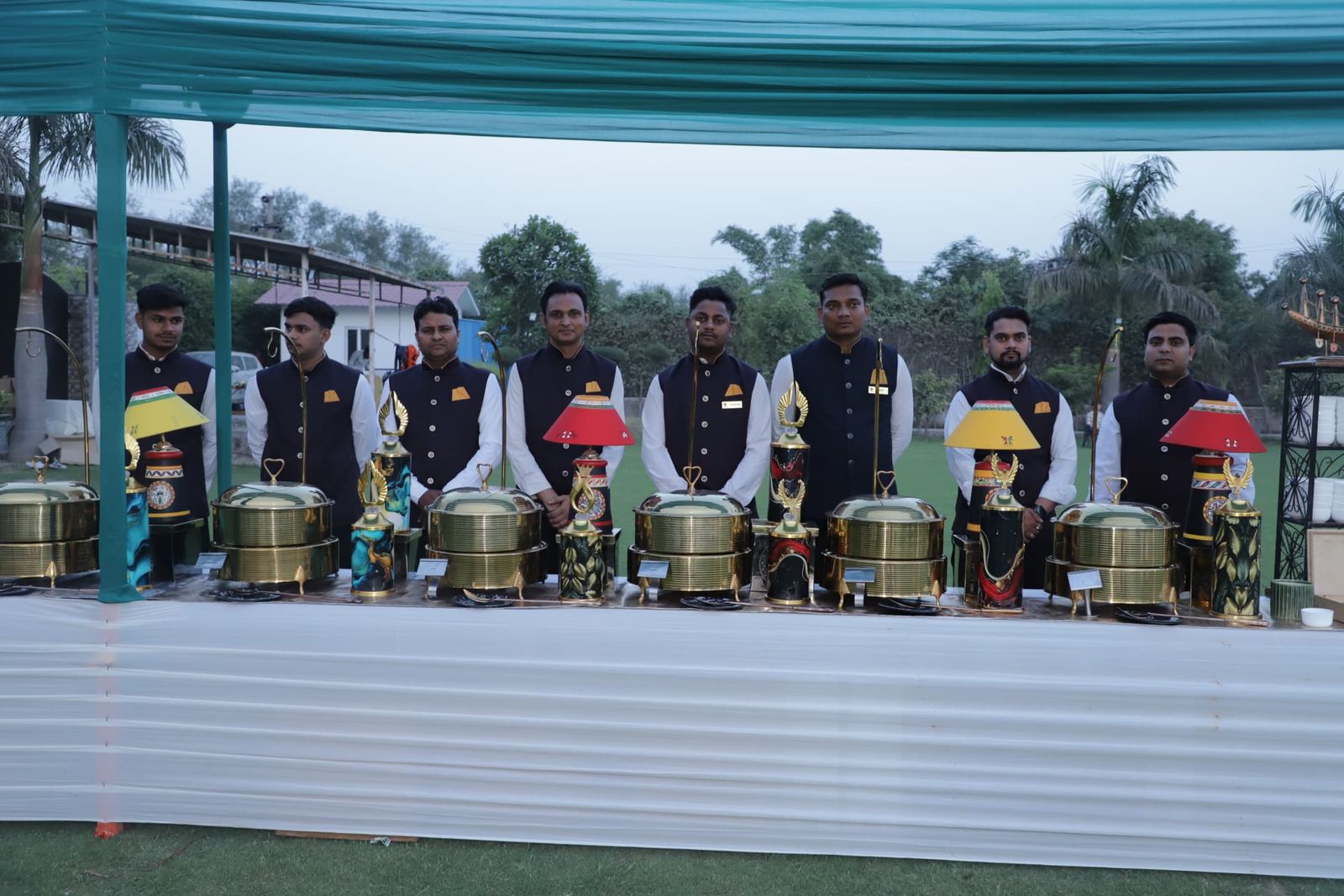
Location is where production catering is most often tested. Before the shoot, discuss with your caterer:
- Kitchen arrangements — whether food will be cooked off-site and transported, or prepared in a mobile kitchen at the location.
- Space, water and power — what the catering team needs at base camp and how much area to allocate.
- Distance between base and set — how food, tea and water will reach the crew without disrupting the shoot.
- Hygiene and waste — how food is held at safe temperatures and how waste will be cleared, particularly at public or heritage locations.
- Permissions — whether the location owner or local authority has rules about cooking on site.
Advertising and commercial shoots
Ad shoots are usually shorter but carry their own pressures. Agency and client teams are on set, the day is tightly scheduled, and hospitality reflects on the production house. Expect requests for a separate client and agency area, premium coffee and snacks through the day, and quick turnaround if the shoot location or call time changes at short notice.
Film, OTT and television production catering
Long-format productions need consistency over weeks or months. Menu fatigue is real — the same dishes on rotation become a talking point on set. Ask a caterer how they rotate menus across a long schedule, how they handle moving between cities, and whether they can run more than one unit or location at once.
How to select a dependable catering partner
Questions for production caterers
- What kinds of productions have you catered — ads, films, series, live shows?
- How do you confirm daily numbers, and what is your cut-off time for changes?
- Can you work from a mobile kitchen, and what do you need at the location?
- How do you handle overtime, night shoots and early calls?
- Can you provide separate service for cast, direction teams and clients?
- How do you maintain food safety when serving outdoors for long hours?
- Who is the on-ground supervisor, and how do we reach them during the shoot?
- How are meals billed — per head, per day or per meal — and how is overtime charged?
References from other production teams are the most reliable signal. A caterer who has worked on sets will understand terms like call time, pack-up and base camp without explanation.
How Lord's Grace works with production teams
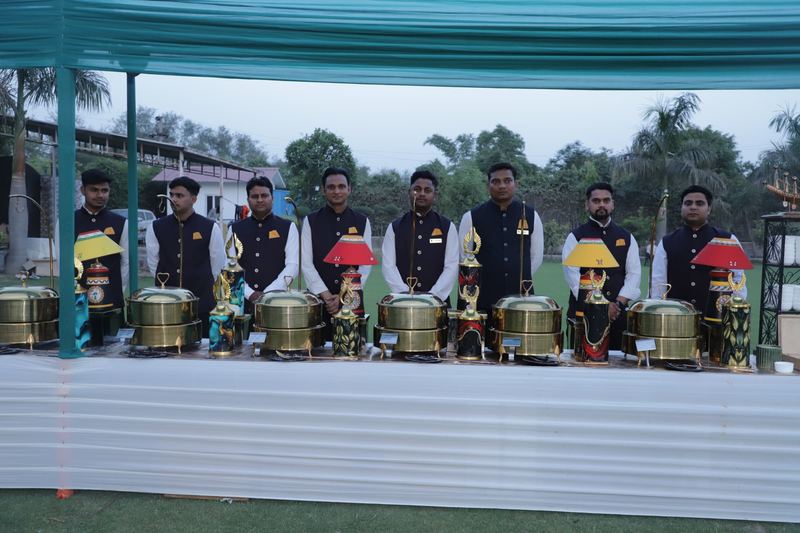
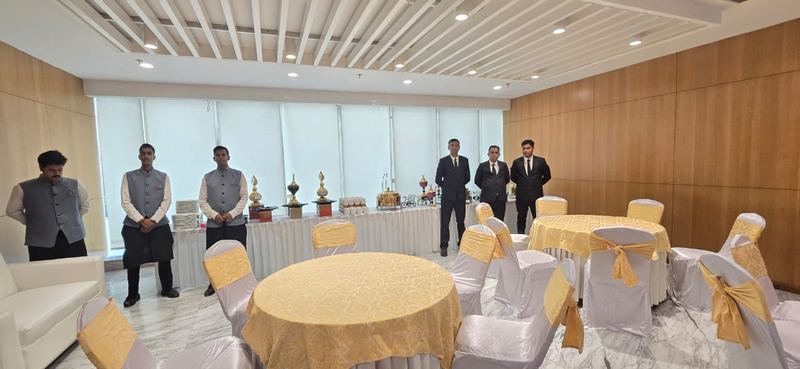
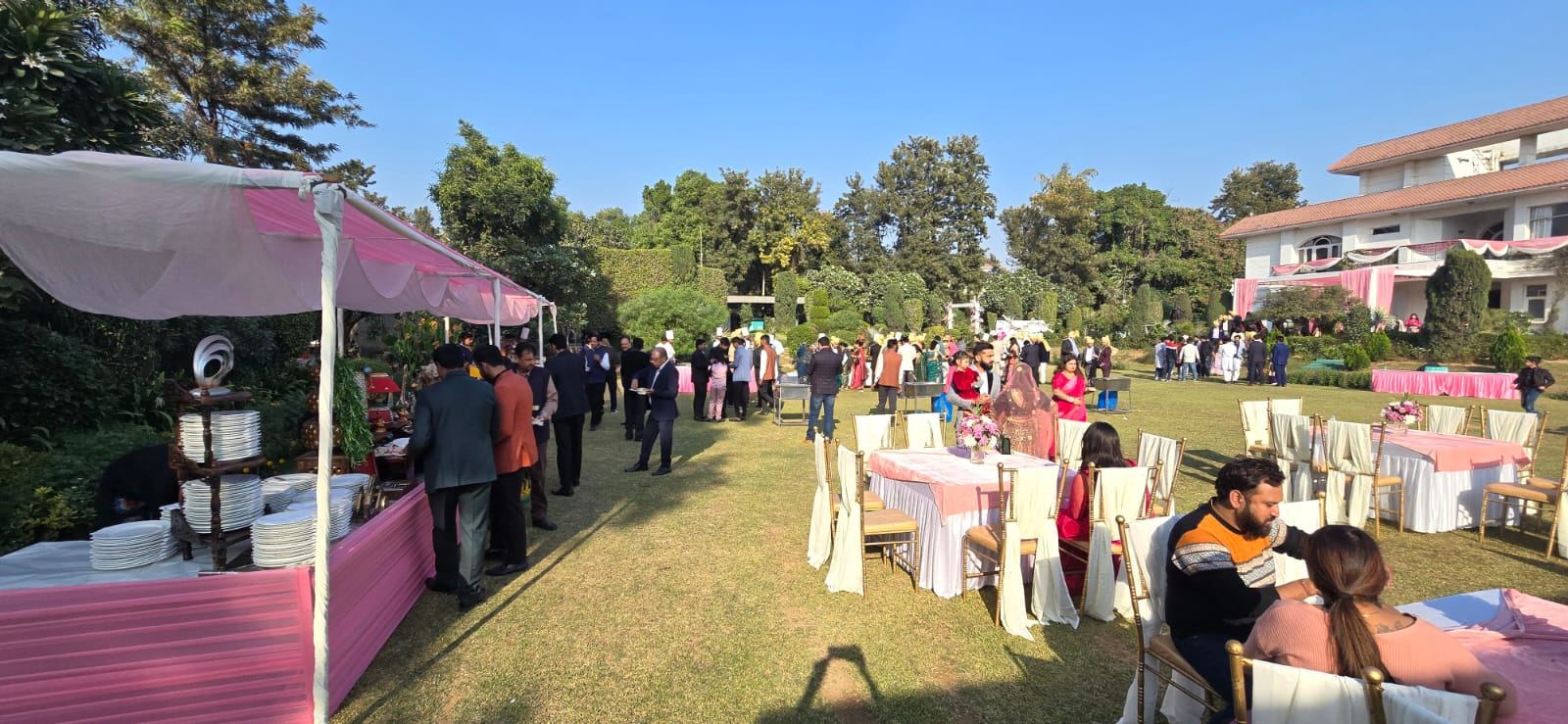
Production catering is a core part of Lord's Grace Co.'s work. Across 21+ years, the team has catered 95+ national TVCs and 30+ films and web series, running 24×7 unit catering with mobile kitchens and simultaneous setups when schedules require it.
Read more about our film and production catering service, see photographs in our photo gallery, or send us your shoot schedule. If your production includes a runway or fashion shoot, see our guide to fashion show catering and backstage hospitality.
Frequently Asked Questions
Event catering serves guests at a fixed time and place. On-set catering follows the production schedule — early call times, shifting meal breaks, multiple units and changing locations — and has to keep serving even when the plan changes during the day.
Start from the call sheet: crew, cast, junior artists, drivers, security and visitors. Confirm numbers for each meal the evening before and agree how late changes will be handled, because unit sizes often change at short notice.
Many productions request different menus or service for artists, direction teams and the wider unit. Discuss these requirements upfront so the caterer can plan staffing, packaging and delivery to vanity vans or green rooms.
Agree in advance how overtime meals, extra tea breaks and late dinners will be handled and charged. A good catering partner will plan for some buffer stock and staff on long shooting days.
Some do. Ask whether the caterer has mobile kitchen capability, what they need on location (space, water, power), and how far ahead they need the location details.