Fashion show catering has two very different audiences: the backstage team, who need fast, practical food that fits around fittings, hair and make-up, and the front-of-house guests, who expect hospitality that reflects the designer's brand. Planning both as separate services — under one coordinated team — is the key to a show day that runs smoothly.
A fashion show day can start before dawn and end long after the final walk. Models, designers, stylists, make-up artists, dressers, choreographers, photographers and production crew all need to eat, often in short windows and tight spaces. This guide explains what good fashion show catering services look like, and how designers and production teams can plan hospitality that supports the show instead of interrupting it.
Backstage catering: practical, fast and clean
Backstage is a working environment. Food has to keep people going without causing problems for clothes, make-up or the schedule.
What works backstage
- Bite-sized, low-mess food — wraps, sandwiches, salads in cups, skewers, fruit and nuts.
- Drinks with straws and lidded cups to protect make-up and garments.
- Light, high-protein and plant-based options, clearly labelled.
- Plenty of water, coconut water and non-sugary drinks.
- Tea and coffee available throughout, not just at fixed breaks.
What to avoid
- Heavily coloured sauces, oily food and anything that drips or stains.
- Dishes that need a knife and fork or a table to eat.
- Strong-smelling food in enclosed areas near the garments.
- Food stations placed in the path of quick changes or the line-up.
Backstage, the best catering is the kind nobody has to think about: within reach, easy to eat, and cleared before it gets in the way.
Meal timing around show schedules
The show schedule — fittings, rehearsal, hair and make-up, line-up, show, and pack-up — should drive the meal plan.
- Early arrival: breakfast for crew setting up and the first hair and make-up calls.
- Before hair and make-up: a proper meal for models, as this may be their last chance to eat comfortably.
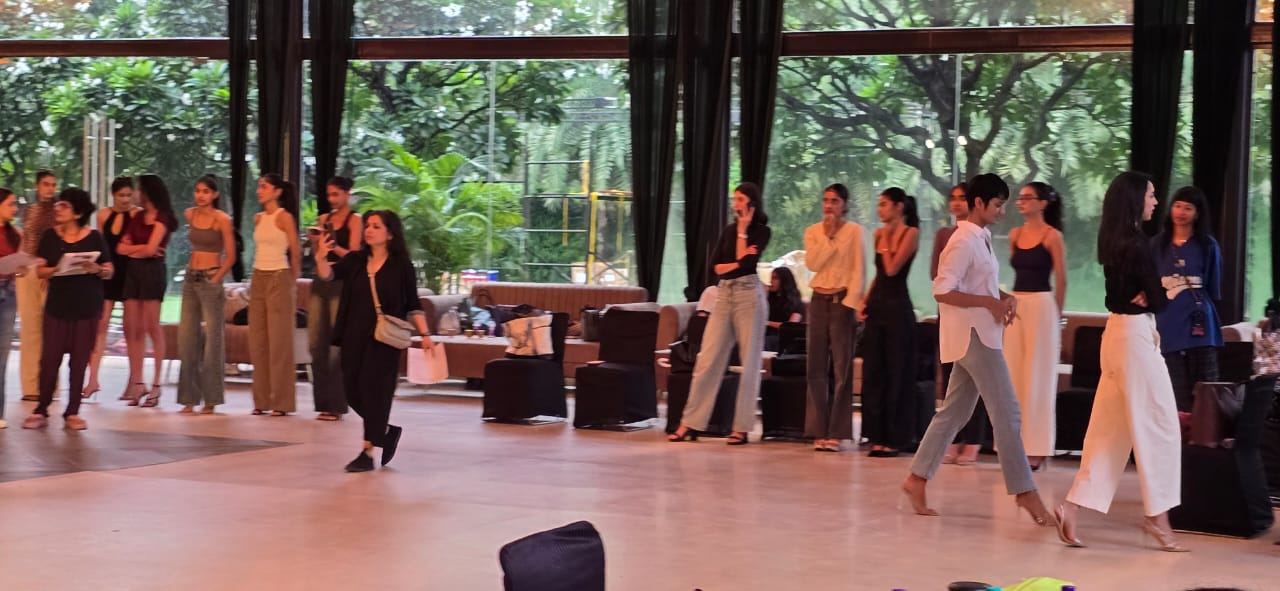
- Rehearsal: light snacks and drinks available at the side.
- Final looks and line-up: only water, straws and very light snacks.
- After the show: a hot meal for the whole team, especially on multi-show days.
On fashion week days with several shows, backstage teams may be working across multiple slots. Rolling service, rather than fixed meal times, usually works best.
Hospitality for designers, models, crew and production
Different groups backstage have different needs, and it helps to plan for each:
| Group | Typical needs |
|---|---|
| Designer and core team | Food delivered to them — they rarely leave the rails on show day |
| Models | Light, nutritious food before make-up; hydration; respect for individual diets |
| Hair, make-up and styling | Food that can be eaten standing, between looks |
| Production, sound, lights and AV | Substantial meals at set times, often earlier than everyone else |
| Security, drivers and support staff | Meals and tea at their posts, not just in the main area |
Front-of-house: guest hospitality as part of the brand
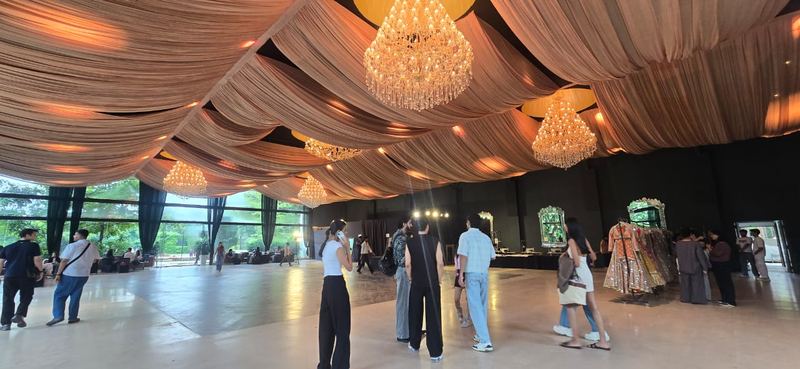
For guests, buyers, press and VIPs, hospitality is part of the show experience. It should reflect the collection and the brand's tone — minimal and refined, bold and playful, or classic and luxurious.
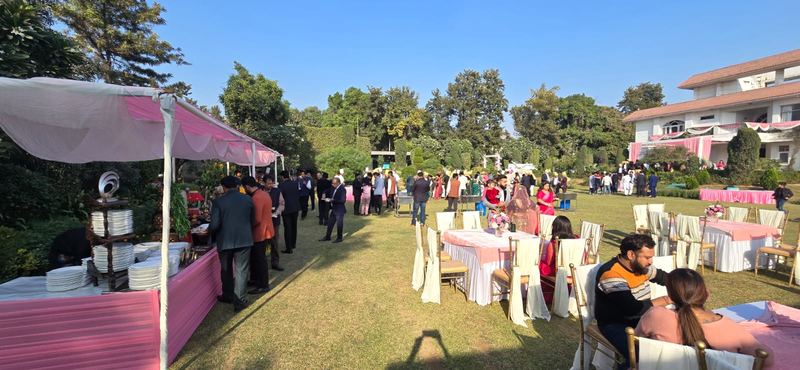
- Welcome drinks and canapés during arrival and seating.
- Quick-service stations that keep queues short before the show starts.
- After-show reception with passed food, a bar and space for networking.
- VIP and front-row hospitality, with discreet service and a separate holding area if needed.
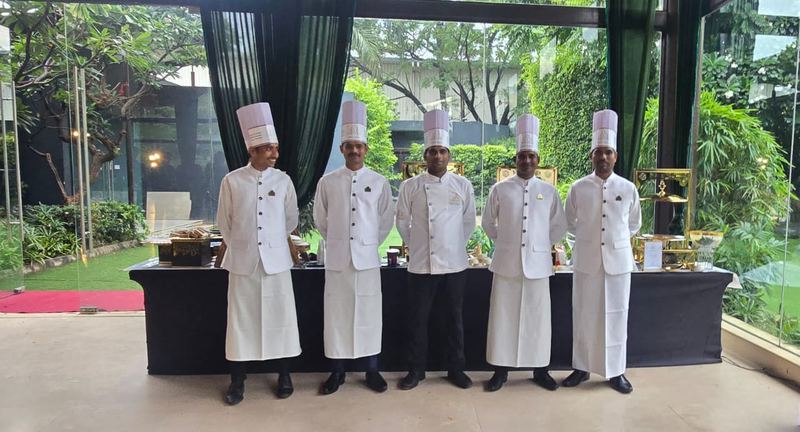
- Presentation — tableware, uniforms and counter design styled to match the show.
Quick service and efficient food stations
Fashion events often have short windows between arrival and the show, or between shows. Efficient stations make the difference:
- Pre-plated or pre-portioned items that can be picked up in seconds.
- Several smaller stations rather than one long buffet.
- Service staff passing food through the crowd.
- Bars and coffee points positioned away from entrances and the seating area.
Coordinating with fashion show production
Catering needs to be built into the production plan. Share with your hospitality partner:
- The venue layout, including backstage, green rooms and guest areas.
- The full run-of-show with rehearsal and show times.
- Load-in times and where the catering team can set up and prep.
- Headcounts for each group, updated as casting and guest lists are confirmed.
- Any brand partners whose products should, or should not, be served.
Catering for fashion shoots and related events
Lookbook and campaign shoots, trunk shows, exhibitions and launch parties have their own catering needs. Shoots in particular run on long schedules similar to film production, with early calls, location changes and small but demanding teams. For more on this, see our guide to film shoot catering in India.
Choosing an event hospitality partner
Questions to ask
- Have you catered backstage at fashion shows or shoots before?
- How will you plan meals around our show schedule?
- Can you run separate backstage and front-of-house services?
- How do you handle model and crew dietary requirements?
- How much space, power and water do you need at the venue?
- Can your staff uniforms and presentation be adapted to our brand?
- Who is the on-ground lead during the show?
How Lord's Grace supports fashion shows
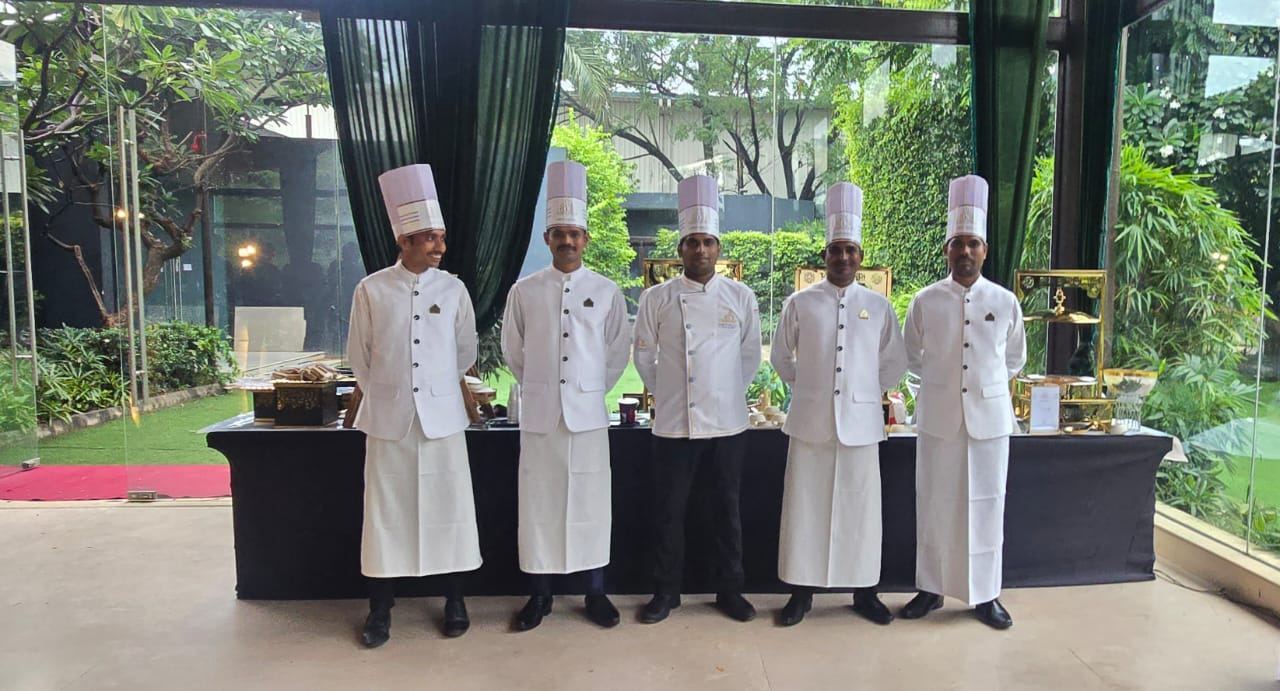
Lord's Grace Co. provides production and hospitality for fashion shows, launches and exhibitions, alongside on-set catering for brand shoots. With 21+ years of experience in production catering and premium events, our team plans backstage and guest service around the show schedule. Learn more about our celebrity and fashion event services, see our event gallery, or share your show details with us.
Frequently Asked Questions
Plan a substantial meal well before hair and make-up begins, then switch to light, easy options once looks are being finished. A post-show meal for the team is often appreciated after a long day.
Bite-sized, low-mess options that will not stain clothing or smudge make-up — wraps, sandwiches, salads, fruit, nuts and straws for drinks. Avoid heavily coloured sauces and anything that needs a knife and fork.
They have different needs, so plan them as two services even if one partner delivers both. Backstage is about speed and practicality; guest hospitality is about presentation and the brand experience.
Collect requirements in advance through the casting or production team and offer a range of light, high-protein and plant-based options, clearly labelled. Keep plenty of water and non-sugary drinks available.
Often, yes. Shoots run on long schedules similar to film production, so ask whether the caterer can provide on-location service and adjust meal timings around the shoot day.