A luxury private event is defined less by its budget than by how it feels to the guest: expected, looked after, and part of something personal. Planning one well means starting with the guest experience, protecting the host's privacy, and coordinating styling, entertainment and food so they feel like a single, considered evening.
Milestone birthdays, anniversaries, engagement dinners, family celebrations and VIP parties all share a challenge — they need to feel intimate and effortless, while involving a surprising number of moving parts. This guide covers how experienced luxury event planners in Delhi NCR approach private celebrations, and what hosts should think about at each stage.
Start with the guest experience
Before choosing a venue or a theme, imagine the evening from a guest's point of view. Where do they arrive? Who greets them? What is in their hand within two minutes? When do they sit down, and who are they sitting next to? How do they leave?
Walking through the guest journey like this exposes the details that make a private event feel exceptional:
- Arrival — valet or drop-off, a clear welcome point, and someone who knows guests by name.
- The first drink and first bite — passed welcome drinks and canapés set the tone immediately.
- Flow — enough space to mingle, comfortable seating, and no queues.
- Moments — a toast, a performance, a surprise or a cake cutting, timed so the energy builds.
- Departure — cars called in advance, a thank-you gift if appropriate, and a smooth exit.
Hospitality: the difference guests remember
Guests rarely remember the exact menu, but they remember how they were looked after. Good hospitality at a private event means attentive staff who anticipate needs without hovering, a host who is free to enjoy the evening, and care for elderly guests, children and anyone with dietary needs.
Brief the service team on the guest list, VIPs, family members who should be served first, and any sensitivities. The best-run evenings feel personal because the team was prepared.
Event styling and decoration
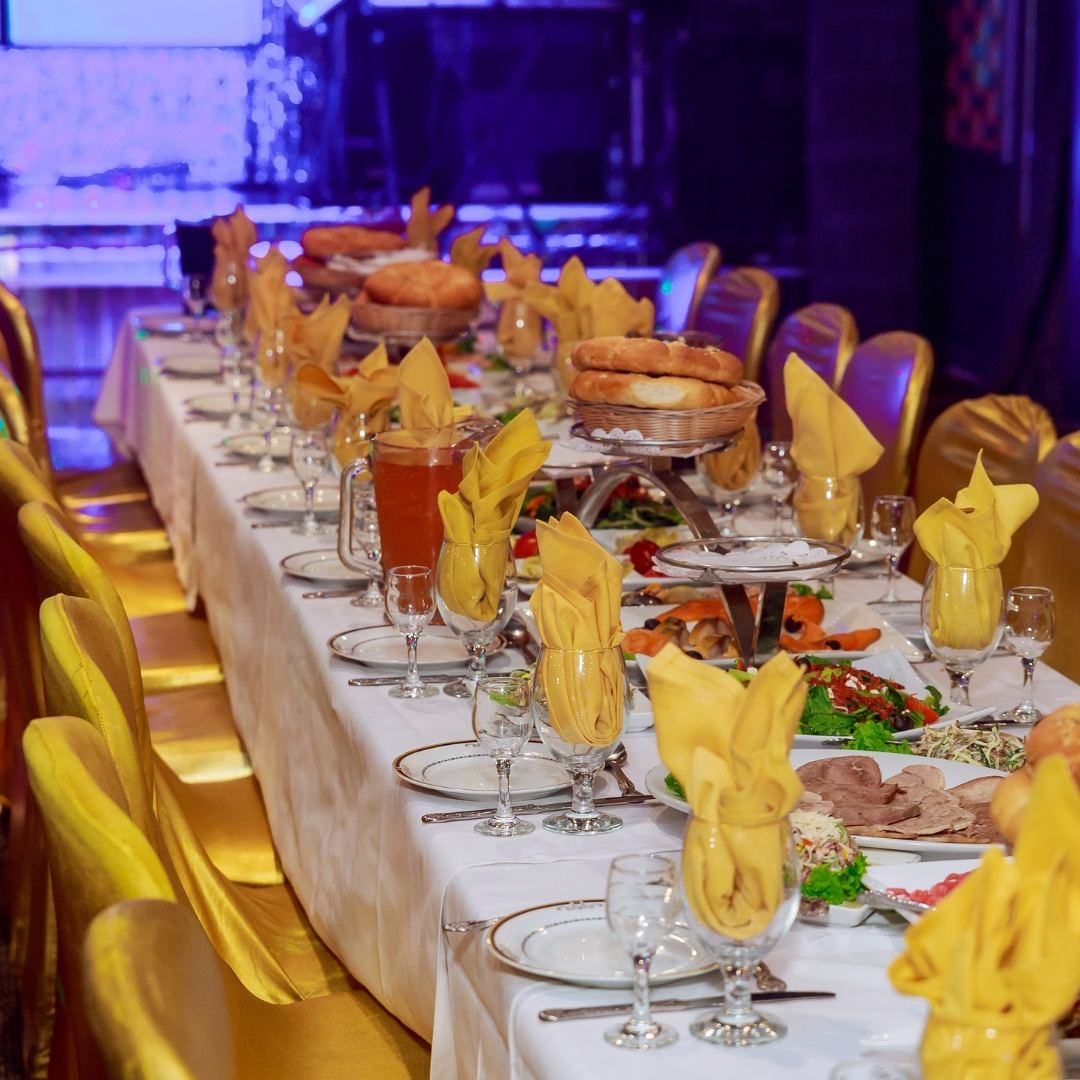
Styling should express the host's personality and the occasion — not simply follow a trend. A strong styling concept typically defines:
- A colour palette and mood that carries from invitation to table setting.
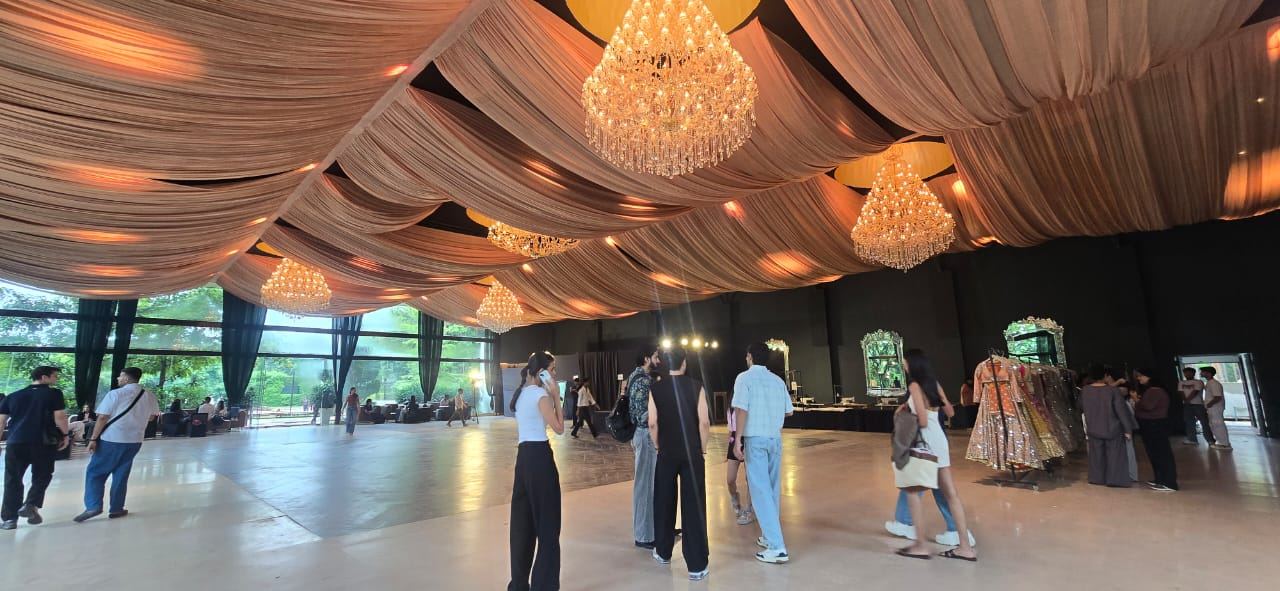
- Lighting, which does more to transform a venue than any other element.
- Florals and table design, scaled to the space and the seating plan.
- Focal points — an entrance, a bar, a stage or a photo area.
- Comfort — heaters or cooling, lounge seating and acoustics.
Ask your planner for a visual concept and a site layout before anything is ordered. It is much easier to adjust a plan on paper than on the night.
Entertainment coordination
Entertainment should support the evening rather than dominate it. A dinner party may only need soft live music; a celebration may build from an acoustic set to a DJ and dance floor. Things to coordinate:
- Technical requirements — stage, sound, lighting and power — agreed with the venue.
- Timings that fit around dinner service and speeches.
- Sound limits and curfews, which apply at many venues in Delhi NCR.
- Green room, meals and hospitality for performers.
Catering and menu planning
Food sets the pace of a private event. Common formats include:
| Format | Best for | Consider |
|---|---|---|
| Passed canapés | Cocktail evenings, early arrival | Enough variety and frequency so guests are not hungry |
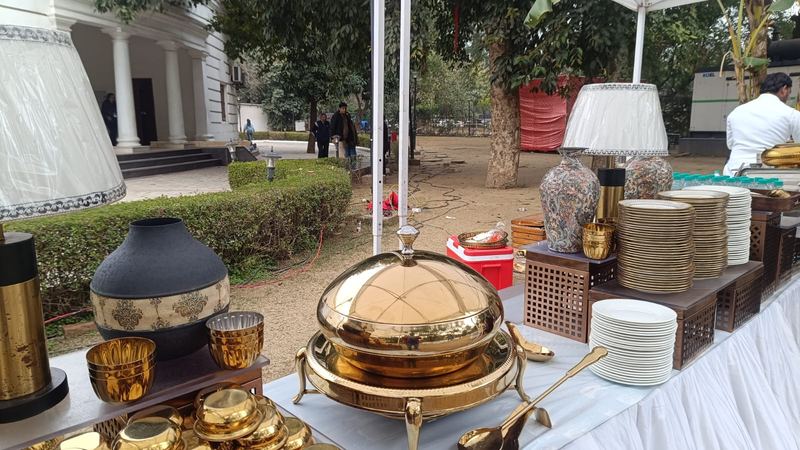
| Live counters | Social, larger gatherings | Space, chefs per counter, placement away from the main flow |
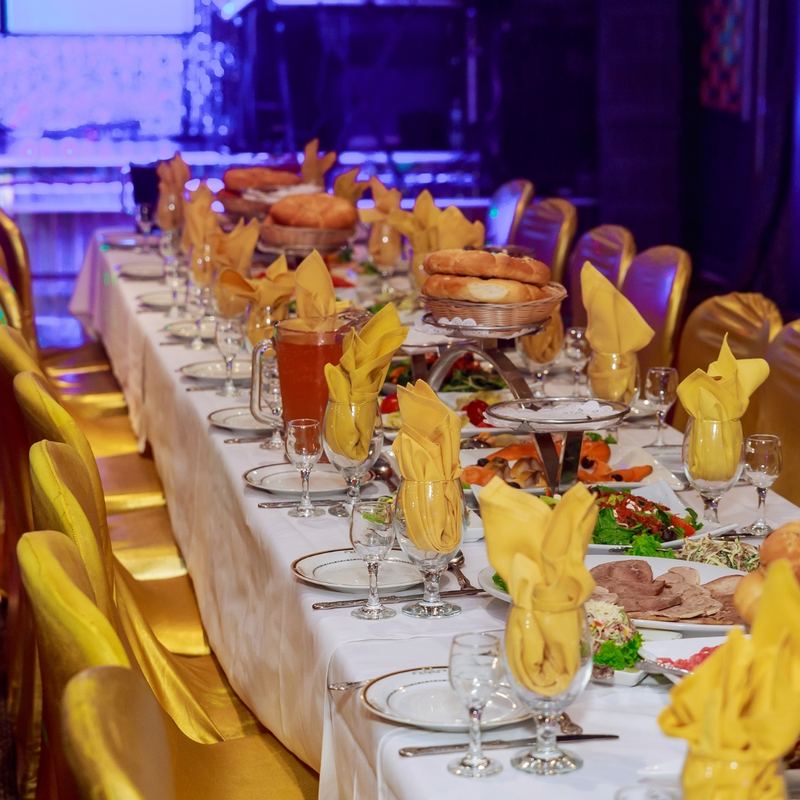
| Seated dinner | Intimate milestones, formal celebrations | Seating plan, service staff per table, course timing |
| Family-style sharing | Warm, relaxed gatherings | Table space and serving ware |
Collect dietary needs with RSVPs, plan desserts and late-night food, and ensure the bar service matches the style of the evening. A tasting with the host is worth scheduling for any significant menu.
Privacy and discreet event execution
For high-profile hosts and celebrity parties, privacy is as important as styling. Discretion is built into planning, not added at the door:
Privacy checklist for private events
- Share venue details only with confirmed guests, as late as practical.
- Use a named guest list and a trained team at entry.
- Agree a photography and social-media policy with the host and communicate it gently.
- Ask vendors and staff to sign or acknowledge confidentiality expectations.
- Plan discreet arrival and departure routes for VIP guests.
- Keep the number of people with access to the guest list and itinerary to a minimum.
A professional team should never discuss a client's event publicly or share photographs without permission.
Planning timelines and vendor coordination
- 8–12 weeks out: date, guest count, budget range and planner confirmed; venue secured.
- 6–8 weeks out: styling concept, entertainment and catering direction agreed; invitations sent.
- 3–4 weeks out: menu tasting, décor details, layout and technical plan finalised.
- 1–2 weeks out: RSVPs closed, seating plan and run-of-show shared with every vendor.
- Event day: set-up, sound check, staff briefing, then delivery — with one person in charge.
The more vendors involved, the more valuable a single coordinator becomes. One person managing décor, catering, entertainment and logistics means the host has one number to call — and, ideally, no reason to call it.
How Lord's Grace plans private celebrations
Lord's Grace Co. plans, styles and caters private celebrations and VIP gatherings in Delhi NCR, with 21+ years of experience in premium hospitality and discreet service for high-profile occasions. Explore our celebrity and VIP event services and our weddings and celebrations service, or tell us about your event.
Planning a family wedding as well? Our guide on how to choose a luxury wedding caterer covers menus and multi-day functions.
Frequently Asked Questions
Small dinners can come together in a few weeks. Larger celebrations with styling, entertainment and outstation guests usually need two to three months, and longer in peak season when venues and artists book up early.
Limit the guest list, use a confirmed RSVP list at entry, brief all vendors on confidentiality, agree a phone or photography policy in advance and avoid sharing venue details publicly. Ask your planner how their team handles privacy.
Seated dinners feel more intimate and work well for smaller groups. Buffets and live counters suit larger, more social evenings. Many hosts combine passed canapés during the evening with a seated or semi-plated dinner.
Typically concept and styling, venue coordination, vendor management, entertainment booking, catering, guest logistics and on-day running. Confirm exactly what is included in your planner's scope.
Collect dietary information with the RSVP, label dishes clearly, and make sure vegetarian, Jain or allergy-friendly options are as considered as the rest of the menu rather than an afterthought.